The Elk Mountains
Sitting the west side of the Continental Divide, is a gloriously rugged, colorful and rotten range known as the Elk Mountains. At first, referred to colloquially as the Elk Mountains, the name stuck after repeated usage due to the sheer number of elk sheds that early prospectors and surveyors saw “scattered and littered upon the hills.”
This range contains MANY notable peaks and arguably, the state’s hardest Fourteener, Capitol Peak. There are plenty of high, alpine mountain passes for the off-roader (Pearl Pass, Schofield and Taylor Pass) and white marble was extracted from the nearby Crystal River and used in the Colorado State Capitol and for the Lincoln Memorial in Washington DC.
The Elk Mountains are synonymous in Colorado with bad rock. Sub-ranges like: The Ruby Mountains, West Elk, Raggeds Wilderness and to a lesser extent, the West Maroon Creek Valley have vastly different morphology. It’s like throwing white granite, rust-colored sedimentary flakes and basaltic chunks into a Yahtzee cup and spilling out the deluge calling it good. To point, the rock is usually not trust-worthy and everything should be treated as suspect.
Hiking trails course through dense aspen forests, vegetation is usually thick & abundant due to water availability/precipitation and the rough terrain will often dictate trails to go miles out of the way. Mountaineering can be challenging. Fishing is usually quite good and who can argue with skiing at Aspen Mountain, Buttermilk or Crested Butte?
The Elk Mountains are Colorado’s poster-child for “mountains.” Thanks in large part to Colorado’s Darlings, The Maroon Bells.
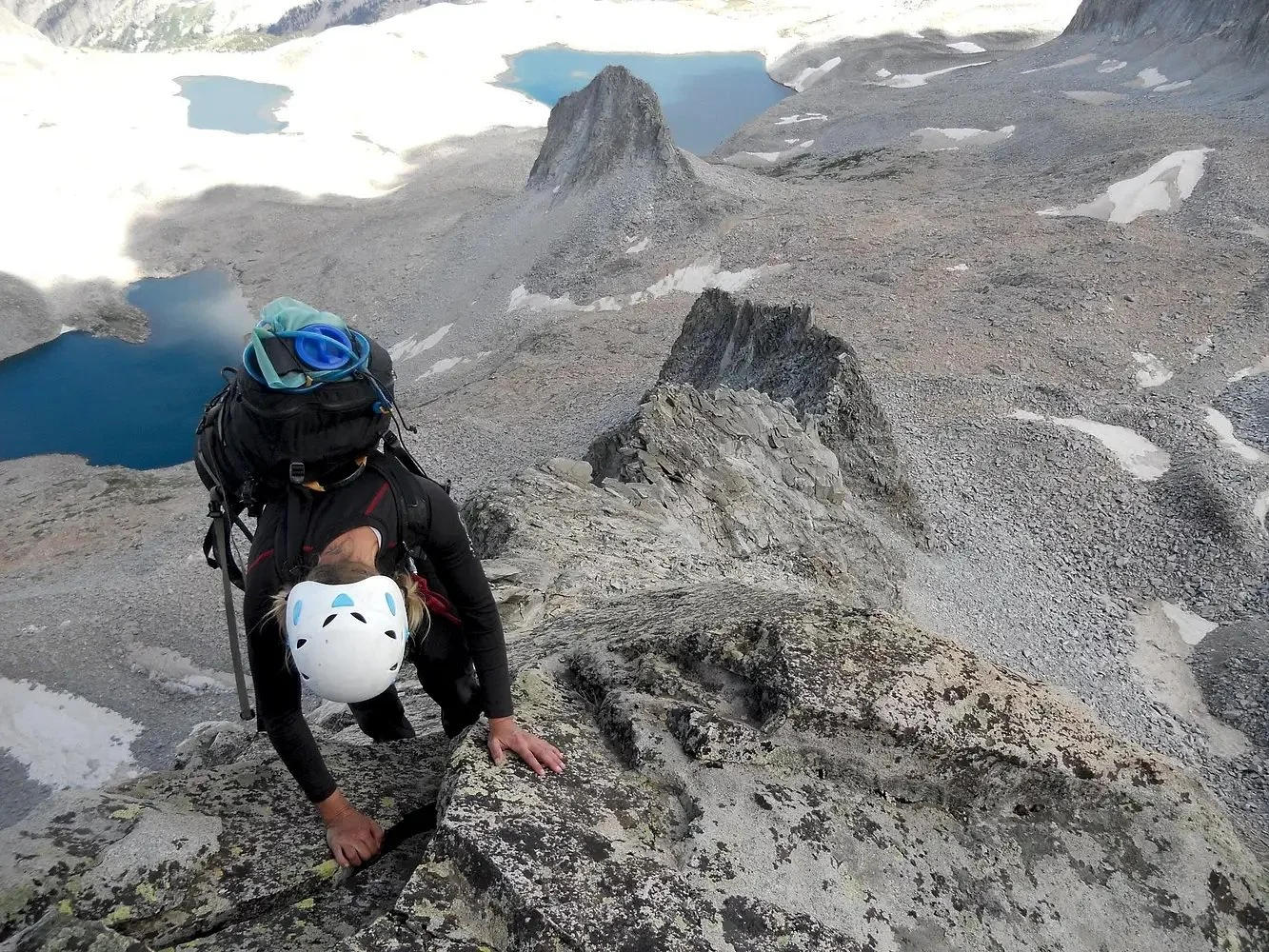
Capitol Peak (7-17-2012)
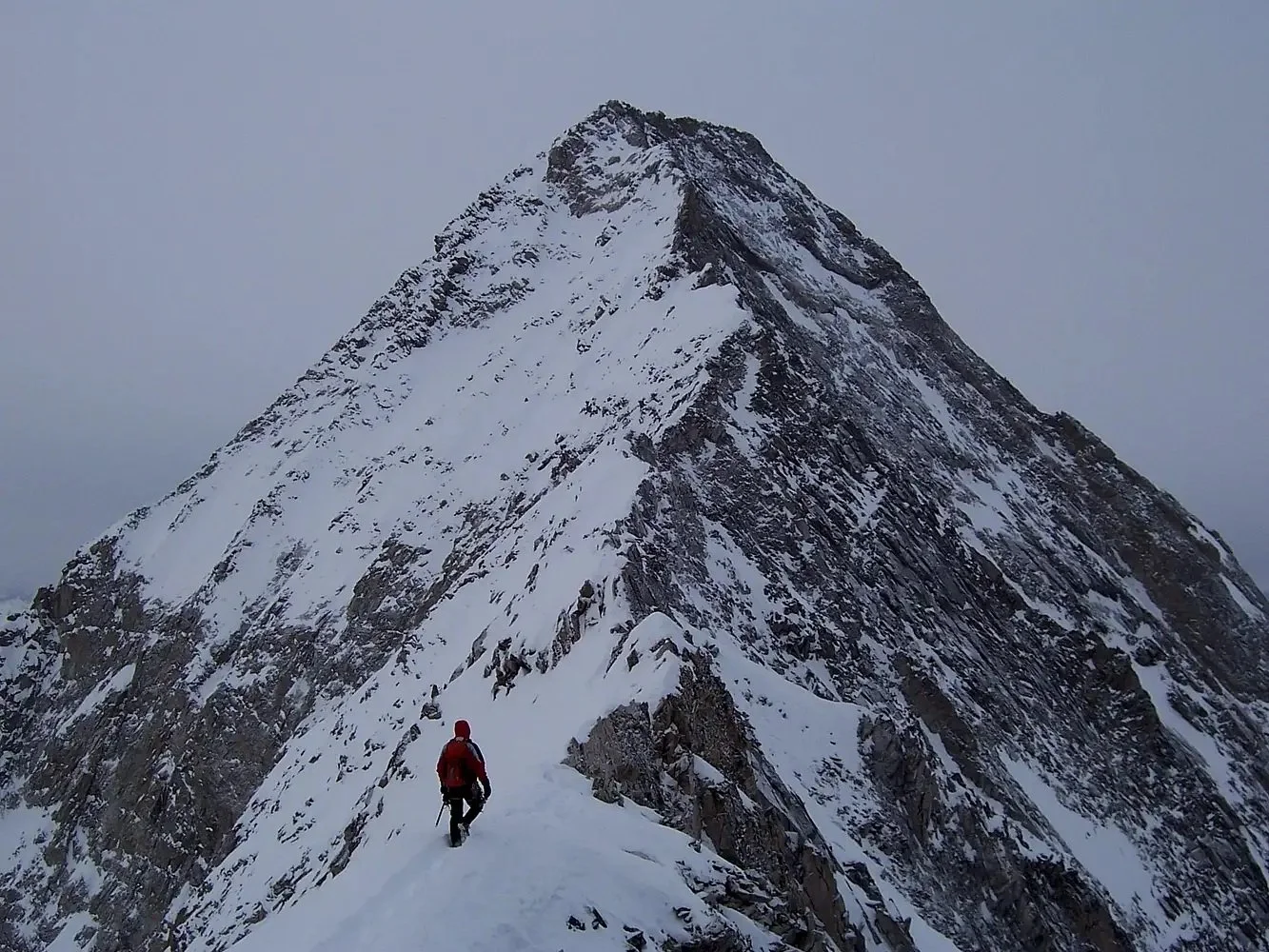
Capitol Peak (1-17-2010)